Our Journey: Redefining Traditional Fashion With Oorvi Desai
28th January 2026
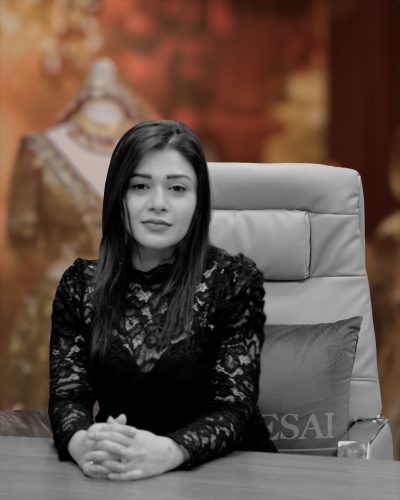
Access My Events is making a change. We are redefining traditional fashion by making it accessible through an exciting collaboration with fashion designer Oorvi Desai. This partnership is a total game-changer, proving that whether designs come from Southall, India or back home in Pakistan, accessibility must meet style. We hope our story leads the way for other South Asian designers to offer a bespoke service, while ensuring that every individual can wear something they love. Join us as we share the journey and our experience.
Finding the perfect outfit for an occasion is always a challenge, but since it’s our first family wedding in Pakistan in a long time, we wanted something that captures the magic of the occasion while looking and feeling glamorous. The last time we attended a wedding there, Zubee was a child. Having our own fitted lengha is something Zubee really wanted. Seeing everyone else look elegant in their own outfits often left her feeling excluded because she thought having disability meant that a garment like that is not made for her.
For our founder, Zubee, the search isn't just about style, it’s about accessibility. As someone living with a physical disability that affects her mobility, traditional South Asian wear can present a unique set of hurdles, from the weight of the fabric to the complex draping and the precise length required for ease of movement. We can’t enjoy the experience of just going into a shop and getting something off the rack.
Why We Choose Oorvi Desai
We really admire Oorvi’s work and have been following her for the last two years. Zubee wanted to buy from her since then, and she was hoping for an opportunity to come up to visit her boutique. What really drew us to her was her reputation and dedication to creating bespoke outfits from her original designs. Not only that, she can create outfits from scratch, whether it's inspired by something seen in a magazine or brought to life through a client's imagination. We've not seen or heard of any South Asian designers who offer this level of bespoke service.
Zubee has been told by tailors before that ready-made, heavily embroidered pieces can’t be fully altered because it can ruin the design, which we are aware of. With Oorvi’s designs, it’s different because they are fully customisable, which is essential for our needs. In the world of fashion, finding a designer who understands that everybody is unique and provides a bespoke service to adapt their vision to meet those needs is a game-changer.
"We are redefining what contour looks like. It is no longer measured solely by the weight of the gold thread, but by the strength with which we break down barriers. When inclusivity is woven into the very fabric of a garment, elegance becomes effortless, and style becomes a statement of true belonging" Oorvi Desai, London - Founder and Creative Director.
The Challenge Of Traditional Design
For Zubee, the beauty of a Lengha often comes with practical challenges:
- The Fit: Ensuring the full piece provides support without restricting movement.
- The Length: Traditional skirts are often heavy and long, which can be a safety hazard or simply uncomfortable for individuals with mobility issues.
- Customisation: Most retailers offer standard sizing that doesn't account for the specific proportions required for different types of disabilities and impairments.
After browsing Oorvi’s stunning online catalogue, we narrowed it down to two specific designs that we liked. With a mix of hope and nerves, we reached out to Oorvi. We asked the question: “Is it possible to alter a lengha to accommodate our specific needs?"
The Next Steps
When the email arrived from Oorvi, she understood and acknowledged the specific challenges that come with traditional Asian wedding outfits, and feeling comfortable with ease of movement is important to her. She was eager to help us customise her design for us. The idea that we could have something both elegant and accessible without having to sacrifice one for the other left her feeling excited.
We arranged to have a video call to discuss approximate costs, measurements, fabric weights, and the alterations that would need to be made to make our outfit wedding-ready. Oorvi offers the convenience of virtual measurements, which is a fantastic convenient solution for many people, but for Zubee, she knew that in-person would be better suited to ensure the measurements are accurate.
When you have a disability that affects mobility and posture, every inch matters. If you measure via a video call, you could miss the way a fabric sits while sitting versus standing, or how a waistband needs to be angled for maximum comfort. We needed to ensure that the fit was 100% accurate to avoid any discomfort during the wedding festivities abroad.
Reflecting On The Cost Of Customisation
A few days later, we arranged an in-person appointment at Oorvi’s boutique to discuss the details and costs. When we were given the initial quote for the lengha and bespoke alterations, Zubee was left feeling disheartened. Zubee's family naturally questioned the cost, knowing we could find something cheaper in Southall or back home in Pakistan, it’s often the more affordable option, which made sense financially, especially since Oorvi’s own designs are tailored in India, but as a disabled person, off-the-rack isn't just about style—it’s about accessibility.
While we agreed with them on the price difference, they know that traditional outfits don’t cater for disabled people. They felt this kind of money should be saved for a major milestone, like our own wedding or our siblings. They suggested she wear something that she already owned, arguing that she would only wear this new outfit once. Because we don't get to attend weddings or parties very often, she didn't want to get by in the same outfit for the main function, especially since Pakistani weddings consist of three separate events.
Zubee wanted something different from our usual traditional salwar kameez or dress. She didn’t actually own a lengha of her own, and she saw this as a rare opportunity to own a piece of couture that she liked. To us, this wasn't a "one time-wear" item; it is something that she could look forward to wearing again at future functions.
The lengha we decided to go with out of the two choices we made was a significant investment, and the alterations required an additional commitment. High-end design and specialised tailoring comes at a premium price, and the costs were higher than we had anticipated. It’s a challenge many in the disability community face, where necessary modifications can make already expensive items feel out of reach.
However, we weren't ready to give up on the outfit just yet. We negotiated, discussing what was possible within our budget while still respecting the designer's craft. After a few days of back-and-forth of negotiations with Oorvi and balancing difficult conversations at home, we reached an agreement that worked for everyone. With the details settled, Zubee headed in for her in-person measurement appointment. Oorvi took her time to measure each area and assess the drape and flow of the fabric, which made all the difference. It turned the technical process into a creative collaboration.
At the same time, we were left feeling worried because we did not have many days left before travelling for the wedding, and we hoped it would get done in time. It usually takes between 4 to 5 weeks for the bespoke design to take shape, and it goes through a 12-stage process, which you can view by following the link to Oorvi’s website Bespoke Services |OorviDesaiLondon. We only gave the designer 10 days in which to do it. We were lucky that it was completed in 7 days.
The Fitting And End Result
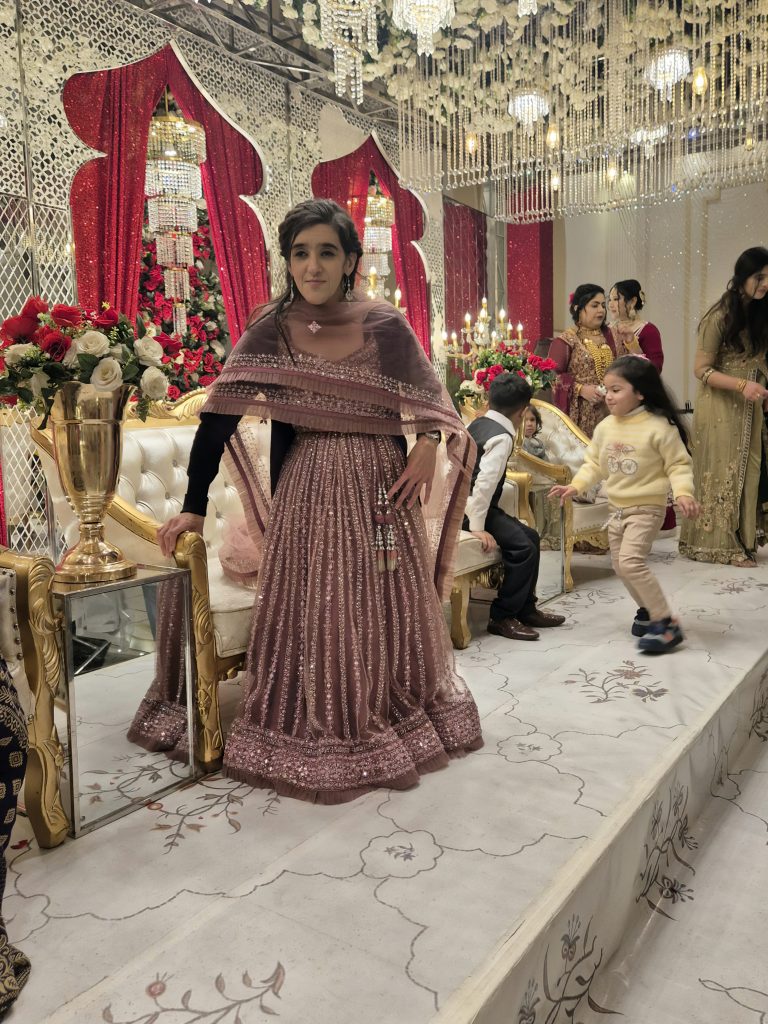
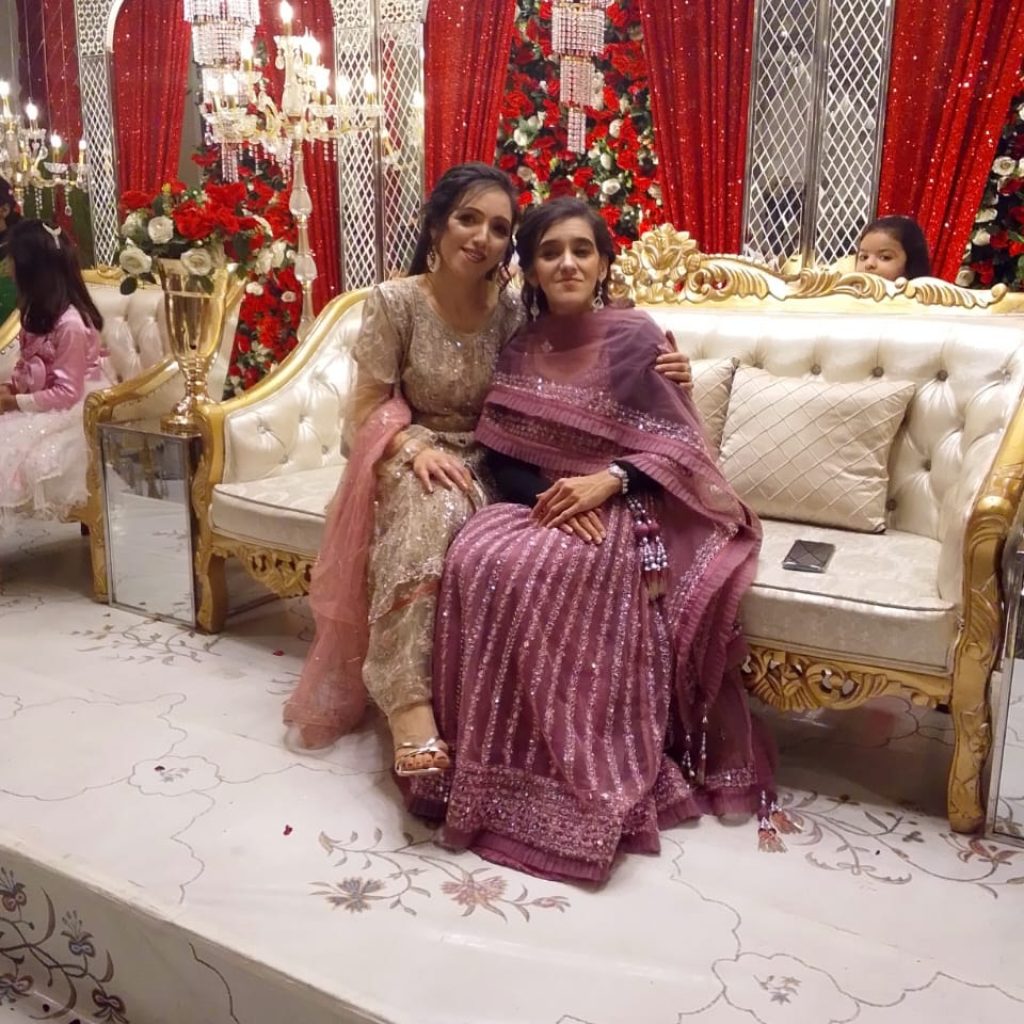
We had the final fitting, and seeing the transformation of this lengha from a standard design to our exclusive piece has been exciting. What started as a beautiful outfit is now a masterpiece of accessibility and style.
Zubee is Oorvi’s second disabled customer, and she is incredibly grateful to her for agreeing on the cost to make the purchase possible. By adapting the structure of the garment to fit her needs, she didn't just give us a beautiful outfit; she helped break down the barriers between disability and traditional fashion. We hope this leads the way for more traditional designers to see the importance of bespoke couture.
To get in touch with Oorvi, you can do so via the following methods:
Email: info@oorvidesai.co.uk
Phone: 07300 011160
Website
Instagram
More on Access My Events:
National Asian Wedding Show Featured Disabled Model On The Catwalk For The First Time
National Asian Wedding Show Backstage
A Day Of Pride And Celebration At The Birmingham Disability Festival